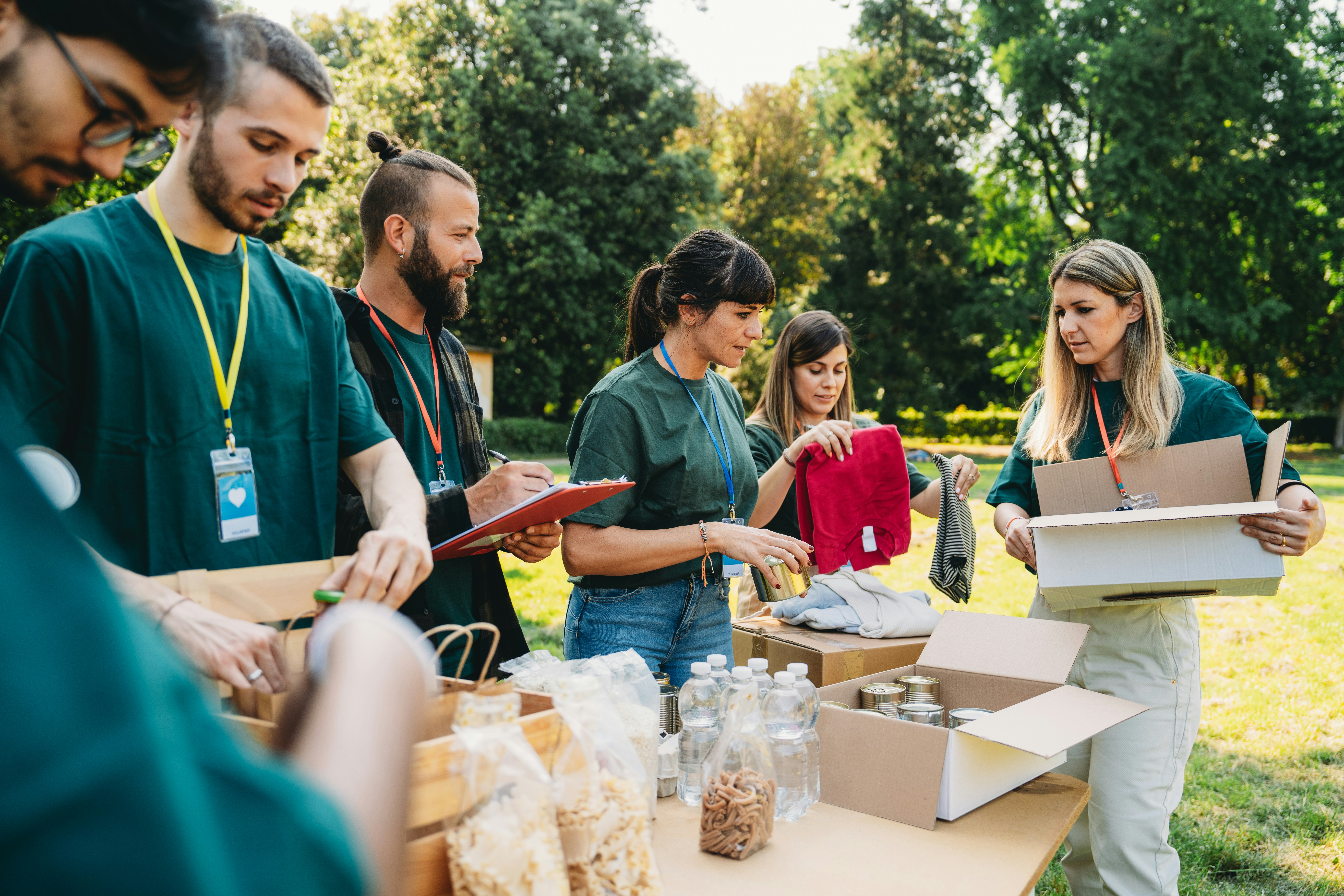
Hero Image

Learning to act together in times of crisis.

September 20–27, 2026
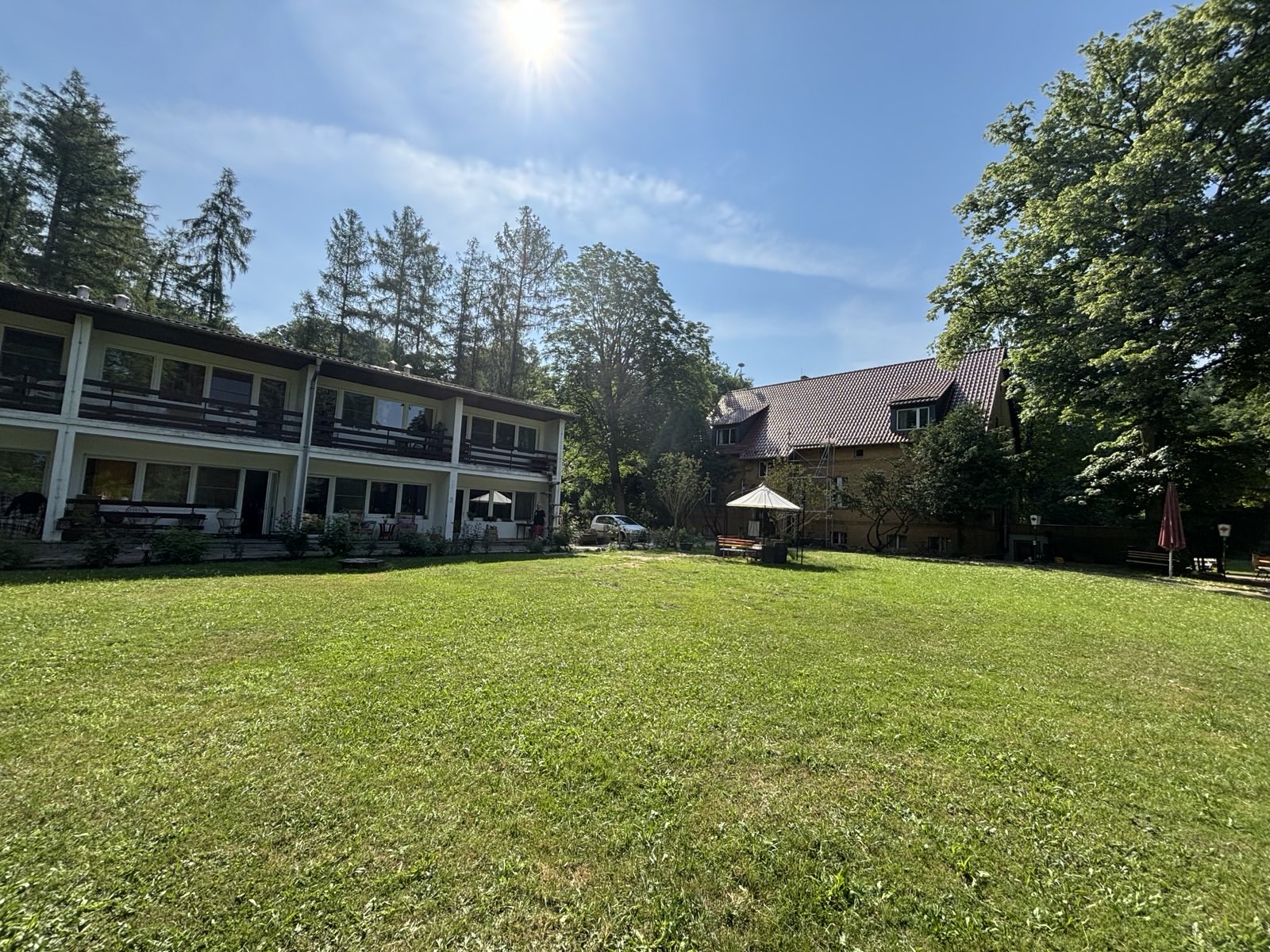
Alte Hölle, Brandenburg

Learning to act together in times of crisis.

September 20–27, 2026
Alte Hölle, Brandenburg

Mutual Aid HEAT

During this week-long event, we’ll practice providing mutual aid in stressful situations; we’ll organize ourselves as individuals who want to get actively involved so that we can act effectively together and remain capable of doing so; and we’ll gain our first practical experiences through four hands-on training tracks.


We are planning an event for those who take the threat of collapse and authoritarianism as seriously as we do; who know that we must prepare now—not just in a few years—for climate disasters, authoritarian takeovers, systemic breakdowns, and reduced state support; and who know that preparing for a future marked by increasing disasters means investing time and resources in those preparations now.

Checkmark

September 20–27, 2026, Alte Hölle, Brandenburg

Arrival on Sunday afternoon, starting with a group plenary session; training sessions and scenarios begin on Monday morning; departure on Sunday at noon.

Checkmark

Five days of training + two days of scenario-based exercises

Five days of training with small-scale scenarios set in a fictional world, followed by two days of applying what was learned in a large-scale scenario, and then reflecting on the experience together.

Checkmark

Four practical training tracks

Participants can choose from four different tracks: Communication, Collective Self-Protection, Supply and Logistics, and Medical and Emotional Support.

Checkmark

150–200 participants

We want this event to lead to concrete organizational outcomes, which is why it is not an “open” event. Instead, we will reach out to potential participants in the run-up to the camp and organize a selection process.

Checkmark

Ticket price: €300–€400

Since we will likely have limited access to institutional funding, we will need to charge participation fees. However, we will do everything we can to ensure that no one is prevented from participating due to financial constraints.
Who We Are

WHY

Times of Crisis

It doesn’t take much imagination to realize that disasters are becoming increasingly common around us. From the so-called refugee crisis of 2015 to the COVID-19 pandemic, the floods in the Ahr Valley, the wildfires in Brandenburg, Greece, and Spain, and the catastrophic flooding in Valencia. At the same time, we are witnessing increasing fascist tendencies and militarization in Europe, making it ever more difficult for civil society to remain capable of taking action. What these crises have in common, however, is that more and more people are organizing to become and remain capable of acting in solidarity.


However, solidarity-based structures don’t just mean looking out for one another—that is, building mutual aid groups. They also mean driving political activism, challenging existing structures of power and domination, and organizing. Queer people, people with immigrant backgrounds, and many others are particularly at risk of being actively attacked or neglected by others. We make this interplay tangible and teachable so that we can remain capable of acting in solidarity and as activists in the long term.
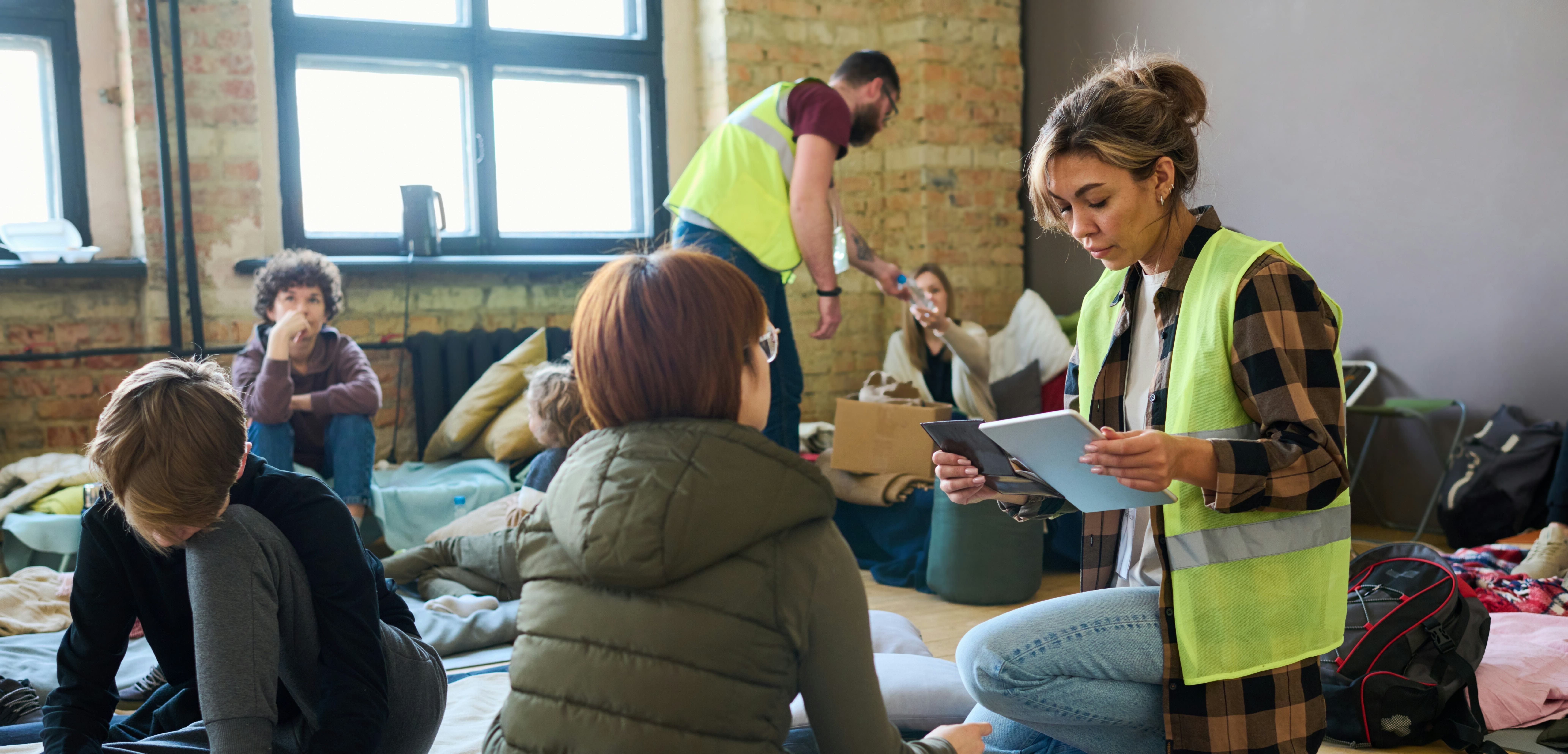
Voice of Change

Sign up now and learn to act with us

The 4 training tracks

Participants sign up for only one of these training tracks and are on-site for the entire duration—we want to stay focused and go into depth.

Communication

At the beginning of the year, parts of Berlin not only lost power and many were left without heat—in the districts affected by the major blackout, no one could make phone calls either. Telecommunications are absolutely central to our society, not only for social participation in general, but also for organizing all kinds of demonstrations, parties, dates, and family gatherings. And we see in authoritarian regimes that control over the internet and communication are key tools for neutralizing or suppressing resistance. So what if all telecommunications suddenly went down?

Collective self-protection

Daily attacks on migrant and trans people, on women and queer people, on people with disabilities; organized attacks on refugee shelters, Nazi attacks on Pride parades, militant anti-feminism as a political project: the catastrophe of fascist violence is not a distant threat; it is already affecting an ever-growing number of marginalized communities on a massive and escalating scale. And: whether the police will protect “us” in such situations is, at the very least, a big question mark; for some, the police themselves are one of the greatest sources of danger and physical violence. So what do we do when we are attacked, and no one else defends us?

Supply and Logistics

The supermarkets are closed because of a power outage; supply chains have broken down due to a transport crisis, and so on. Food is in short supply: what can we do? How do we begin to ensure that our neighbors and our community are provided for? How do we build solidarity-based logistics networks that can supply themselves and others with food in such a situation?

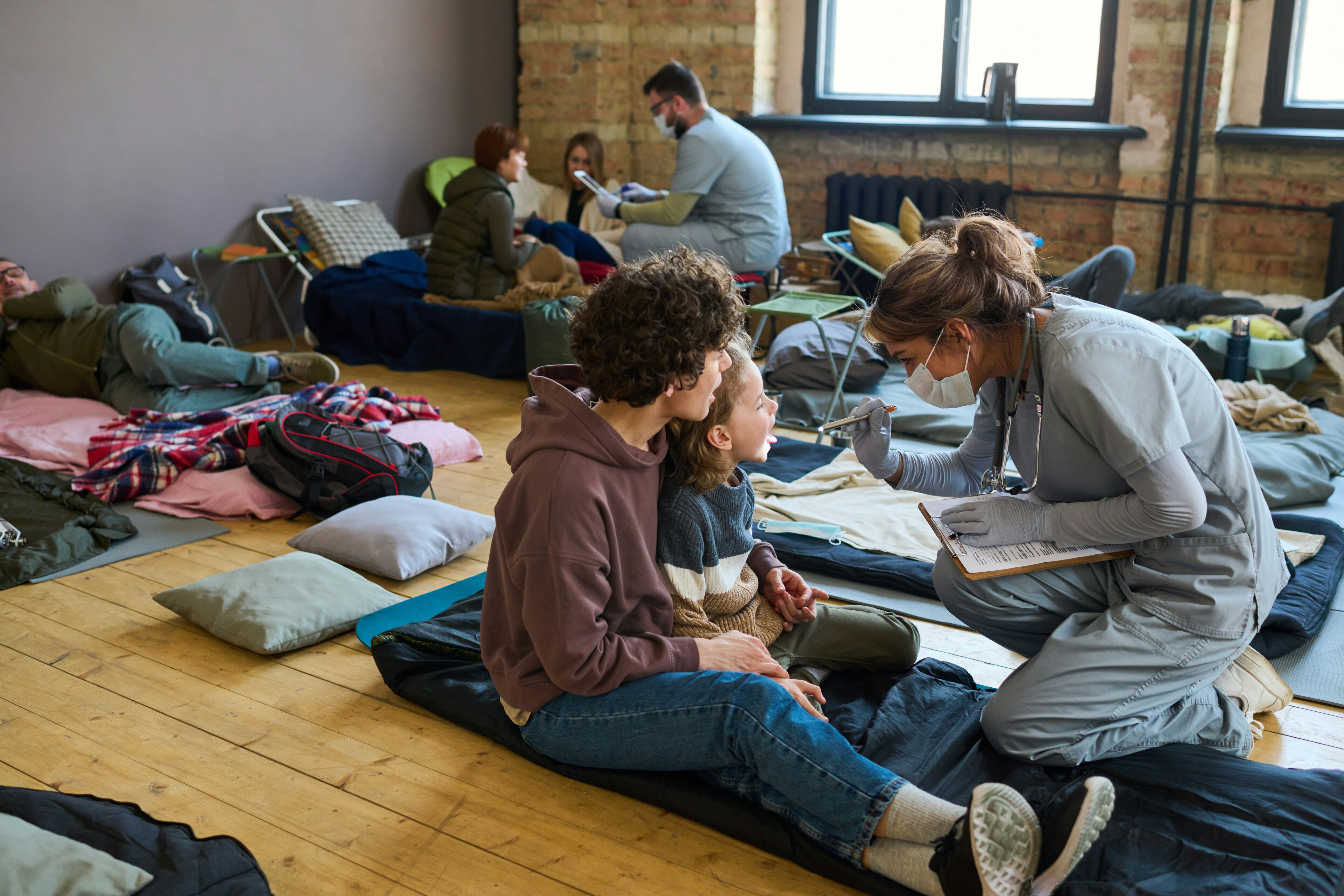
Medical and emotional support

In a future marked by budget cuts, disasters, and collapse, it is unrealistic to assume that emergency medical and psychological care will always be available. We ourselves may not be directly affected yet, but for many people, such care no longer exists today. Whether it’s a heat wave, a flood, or a Nazi attack, it’s never a bad idea to know how we can help others who are injured, unconscious, or traumatized. Those who know what to do and what not to do in an emergency—and what can be accomplished with the resources at hand—are no longer helplessly at the mercy of attacks and other disasters.

Communication

Collective self-protection

Supply and Logistics

Medical and emotional support

Communication

At the beginning of the year, parts of Berlin not only lost power and many were left without heat—in the districts affected by the major blackout, no one could make phone calls either. Telecommunications are absolutely central to our society, not only for social participation in general, but also for organizing all kinds of demonstrations, parties, dates, and family gatherings. And we see in authoritarian regimes that control over the internet and communication are key tools for neutralizing or suppressing resistance. So what if all telecommunications suddenly went down?

Collective self-protection

Daily attacks on migrant and trans people, on women and queer people, on people with disabilities; organized attacks on refugee shelters, Nazi attacks on Pride parades, militant anti-feminism as a political project: the catastrophe of fascist violence is not a distant threat; it is already affecting an ever-growing number of marginalized communities on a massive and escalating scale. And: whether the police will protect “us” in such situations is, at the very least, a big question mark; for some, the police themselves are one of the greatest sources of danger and physical violence. So what do we do when we are attacked, and no one else defends us?

Supply and Logistics

The supermarkets are closed because of a power outage; supply chains have broken down due to a transport crisis, and so on. Food is in short supply: what can we do? How do we begin to ensure that our neighbors and our community are provided for? How do we build solidarity-based logistics networks that can supply themselves and others with food in such a situation?

Medical and emotional support

In a future marked by budget cuts, disasters, and collapse, it is unrealistic to assume that emergency medical and psychological care will always be available. We ourselves may not be directly affected yet, but for many people, such care no longer exists today. Whether it’s a heat wave, a flood, or a Nazi attack, it’s never a bad idea to know how we can help others who are injured, unconscious, or traumatized. Those who know what to do and what not to do in an emergency—and what can be accomplished with the resources at hand—are no longer helplessly at the mercy of attacks and other disasters.

The scenario

In this hands-on workshop, set in a fictional world, you’ll have a unique opportunity to step away from your daily routine and experience training and activism in a whole new way! This workshop offers you the chance to try out different actions, process your emotions, and be supported by others—all within a safe space. Don’t we all know the feeling of being in a training session, learning something new, and then, as soon as we’re supposed to apply it, finding that we can’t recall what we learned?
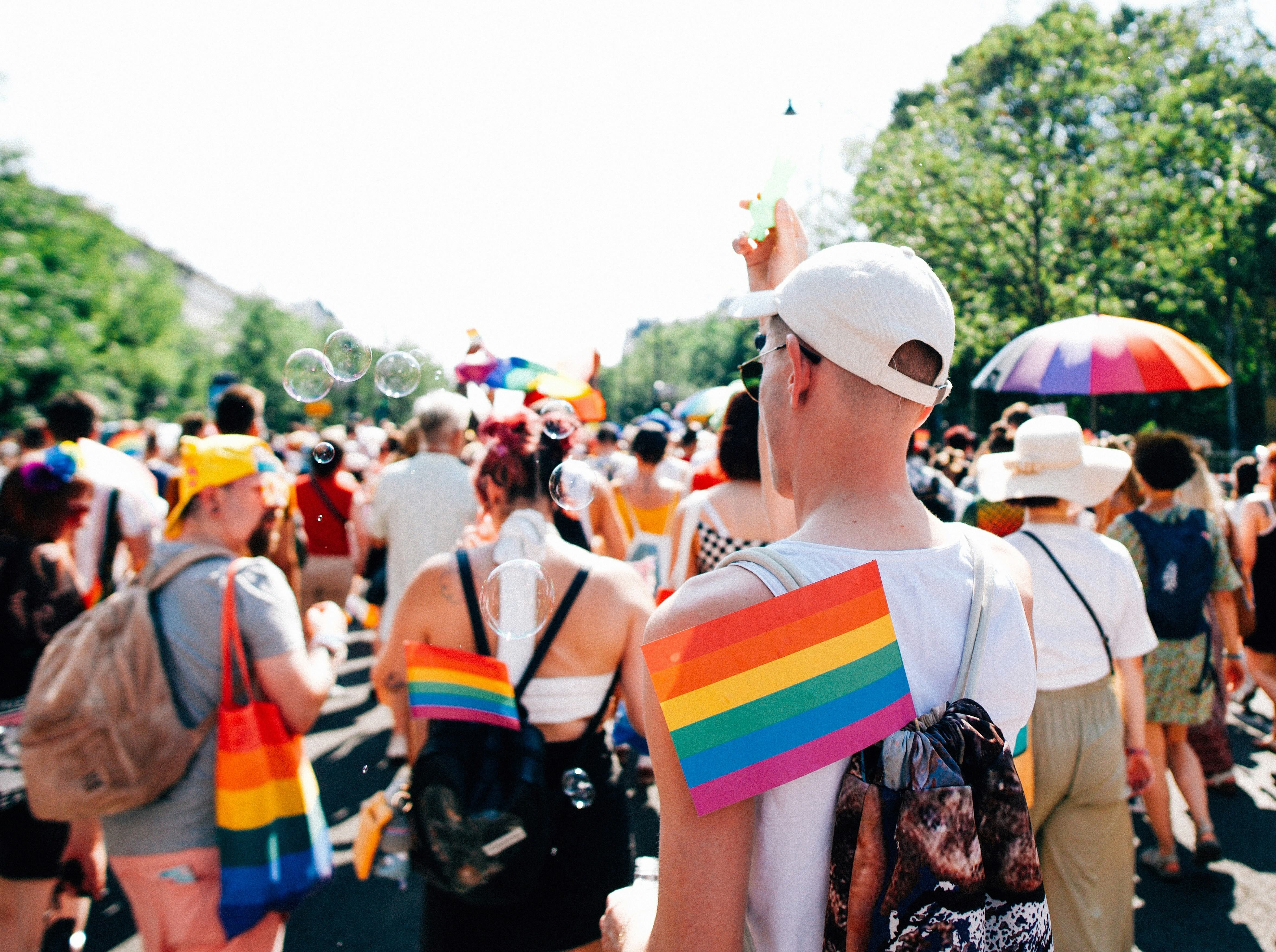
Emporing Community
Emporing Community
Driving Change
Driving Change

Standard HEAT training sessions always stem from a scene, incorporate short role-playing exercises, and allow you to apply theoretical knowledge in short intervals. We will create a world in which you, as participants, are actively involved from the very beginning. Recurring characters and scenarios that build on one another make it tangible what it means to be an active participant in a storyline. Because your decisions and your behavior—along with those of your group—don’t end after every scene, we foster a sense of community where awareness can grow: to support one another through the crisis in the long term, to organize, and to remain united beyond mere theory.

Registration

Registration

Fill out this form, and we'll get back to you with an invitation to our next info call.

Fill out this form, and we'll get back to you with an invitation to our next info call.

Who We Are

Who We Are

We are a diverse group of people with many years of experience in organizing activist groups, in a wide variety of HEAT formats, in support structures both domestically and abroad, in facilitating emotional group processes, and in the startup scene. The practical training sessions are led by experts in their respective fields, with the aim of building solidarity-based structures and providing initial impetus for this work.

We are a diverse group of people with many years of experience in organizing activist groups, in a wide variety of HEAT formats, in support structures both domestically and abroad, in facilitating emotional group processes, and in the startup scene. The practical training sessions are led by experts in their respective fields, with the aim of building solidarity-based structures and providing initial impetus for this work.

Our stance
Our stance

This training is more than just a course. It reflects our philosophy. We believe that effective crisis preparedness requires not only skills, but also a shared foundation for how we stand up for one another. As a team, we consciously incorporate these values into every training session.

This training is more than just a course. It reflects our philosophy. We believe that effective crisis preparedness requires not only skills, but also a shared foundation for how we stand up for one another. As a team, we consciously incorporate these values into every training session.

01

Aware of collapse, but not apocalyptic

We anticipate a future marked by multiple crises—and our response is to take action, not to give up.

02

Solidarity, not ideology

For us, mutual aid is a lived practice, not a political label. We want to reach beyond existing bubbles.

03

Filling the gaps created by the system

We don’t work against government structures, nor do we work for them—we work for the people who fall through the cracks.

04

Steadfast, not militant

De-escalation is our top priority. But we do not rule out defending ourselves if necessary.

05

Process-oriented, not finished

This training is a starting point. Together with our participants, we’ll explore what a movement against collapse needs and is capable of achieving.

06

Pluralistic at its core

Our team is made up of people from diverse backgrounds and with different perspectives. That’s not a weakness—it’s our foundation.

07

Capable of taking comprehensive action

Care and action go hand in hand. We do not separate care and action, but view both together as crisis management skills.

01

Aware of collapse, but not apocalyptic

We anticipate a future marked by multiple crises—and our response is to take action, not to give up.

02

Solidarity, not ideology

For us, mutual aid is a lived practice, not a political label. We want to reach beyond existing bubbles.

03

Filling the gaps created by the system

We don’t work against government structures, nor do we work for them—we work for the people who fall through the cracks.

04

Steadfast, not militant

De-escalation is our top priority. But we do not rule out defending ourselves if necessary.

05

Process-oriented, not finished

This training is a starting point. Together with our participants, we’ll explore what a movement against collapse needs and is capable of achieving.

06

Pluralistic at its core

Our team is made up of people from diverse backgrounds and with different perspectives. That’s not a weakness—it’s our foundation.

07

Capable of taking comprehensive action

Care and action go hand in hand. We do not separate care and action, but view both together as crisis management skills.

01

Aware of collapse, but not apocalyptic

We anticipate a future marked by multiple crises—and our response is to take action, not to give up.

02

Solidarity, not ideology

For us, mutual aid is a lived practice, not a political label. We want to reach beyond existing bubbles.

03

Filling the gaps created by the system

We don’t work against government structures, nor do we work for them—we work for the people who fall through the cracks.

04

Steadfast, not militant

De-escalation is our top priority. But we do not rule out defending ourselves if necessary.

05

Process-oriented, not finished

This training is a starting point. Together with our participants, we’ll explore what a movement against collapse needs and is capable of achieving.

06

Pluralistic at its core

Our team is made up of people from diverse backgrounds and with different perspectives. That’s not a weakness—it’s our foundation.

07

Capable of taking comprehensive action

Care and action go hand in hand. We do not separate care and action, but view both together as crisis management skills.